Guide: How to Master the Art of Meal Balancing and Eat Healthy
Balanced meals are the key to health and energy. Learn how to compose dishes that provide your body with everything it needs, without tedious calorie counting.
Have you ever wondered how to make your meals truly nutritious and supportive of your health? Meal balancing is not just a trend, but above all, the foundation of well-being and daily energy. In this guide, we'll show you step by step how to master this art, without spending hours counting calories. Instead, we'll focus on simple rules and intuitive methods that you can easily implement in your life.
Step 1: Understanding Macros and Micronutrients (Nutrition Basics)
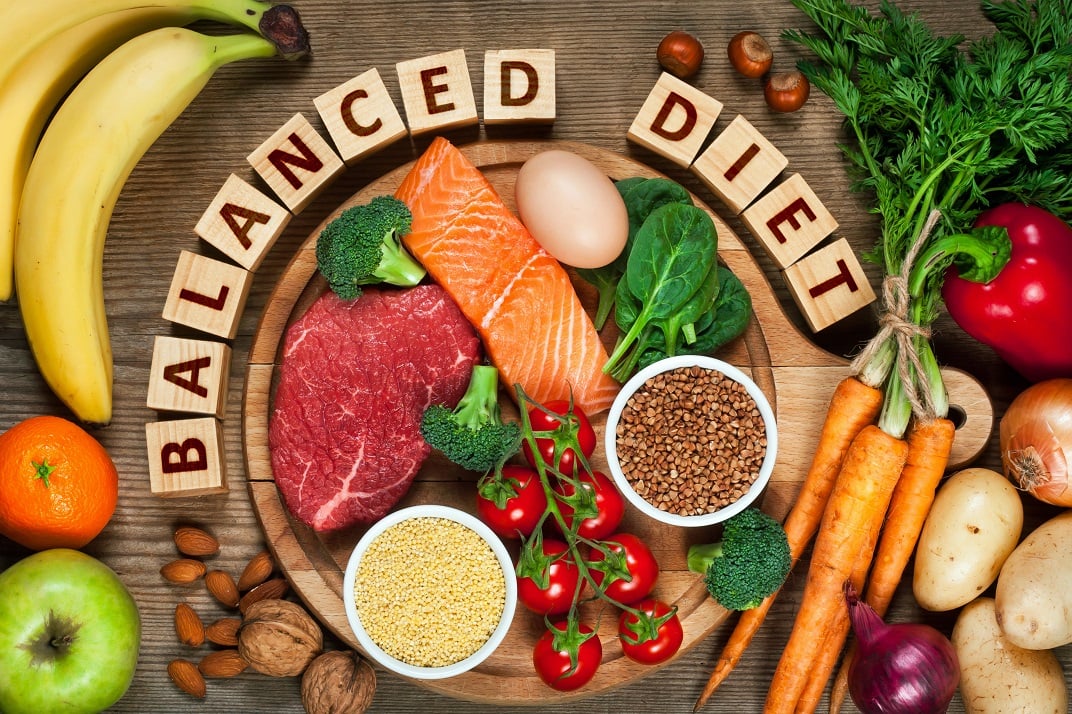
The first step to mastering meal balancing is understanding what nutrients are essential for your body. We're talking about macronutrients — proteins, fats, and carbohydrates — and micronutrients — vitamins and minerals. Each plays a different, important role.
- Proteins are the building blocks of our tissues and muscles. You'll find them in meat, fish, eggs, dairy, and legumes.
- Fats provide energy and help absorb vitamins. Choose healthy fats like olive oil, avocado, nuts, and seeds.
- Carbohydrates are the main energy source for the brain and muscles. Reach for complex carbs like whole grain products, vegetables, and fruits.
- Vitamins and minerals are essential for proper body function. You'll find them in a variety of foods, especially vegetables and fruits.
Practical tip: Start with a simple exercise — for one week, write down everything you eat and drink. Then analyze whether your diet contains adequate amounts of protein, fats, and carbohydrates. This will help you identify areas that need improvement.
Step 2: Know Your Plate (The "Healthy Plate" Method)
Instead of counting calories, focus on the proportions of nutrients on your plate. The "Healthy Plate" method is a simple and intuitive way to balance meals.
- Half the plate: Vegetables and fruits (the more colors, the better!).
- Quarter of the plate: Whole grain products (e.g., brown rice, buckwheat, whole grain bread).
- Quarter of the plate: Protein source (e.g., lean meat, fish, tofu, legumes).
Practical tip: When preparing a meal, imagine your plate divided into three sections and make sure it contains the right ingredients in the right proportions. Over time, this will become natural.
Step 3: Fiber — The Secret to Satiety (The Role of Fiber in Diet)
Fiber is a type of carbohydrate that is not digested by our body, but plays a crucial role in digestive health. It helps maintain proper bowel function, prevents constipation, and promotes a feeling of fullness.
Practical tip: Add a source of fiber to every meal — vegetables, fruits, whole grain products, nuts, and seeds. Try to consume about 25-30g of fiber daily.
Step 4: Regularity and Hydration (Meal Planning and Water Intake)
Regular meals and proper hydration are other important elements of diet balancing. Regularity helps maintain stable blood glucose levels and prevents hunger attacks, while water supports digestion and regulates body temperature.
Practical tip: Try to eat 4-5 smaller meals throughout the day at regular intervals. Drink at least 30 ml of water per kilogram of body weight daily. Carry a water bottle with you and sip regularly.
Step 5: Listen to Your Body (Intuitive Eating)
The last but equally important step is learning to listen to your body. Everyone is different and has different nutritional needs. Instead of blindly following diets, learn to recognize hunger and satiety signals and adjust your meals to your individual needs.
Practical tip: Pay attention to how you feel after a meal. Are you satisfied and full of energy, or heavy and sleepy? Experiment with different ingredient combinations and portions to find what works best for your body.
Mastering the art of meal balancing is a process that takes time and patience. Don't get discouraged if everything doesn't go perfectly at first. Remember that every small step toward healthier eating is a step in the right direction.
Want to make meal balancing even easier? Download the DiabCalc app from https://diabcalc.com/ and enjoy healthy eating every day!
FAQ (Frequently Asked Questions)
- Do I have to count calories to balance meals? No, counting calories is not necessary. Focus on the proportions of nutrients on your plate and listen to your body.
- Can I eat sweets while balancing meals? Yes, but in moderation. Choose sweets with better ingredients and treat them as an occasional dessert, not a daily snack.
- Can a vegetarian/vegan diet be balanced? Of course! The key is to ensure adequate plant protein (e.g., legumes, tofu, nuts) and vitamins and minerals (e.g., vitamin B12).



Comments