Which CGM to Choose? A Practical Guide to Continuous Glucose Monitoring
Choosing the right CGM system is key to better diabetes control. This guide will help you understand different options and select the best one for you, considering your needs, lifestyle, and user reviews.
Stop 1: CGM - What Is It and Why Bother?
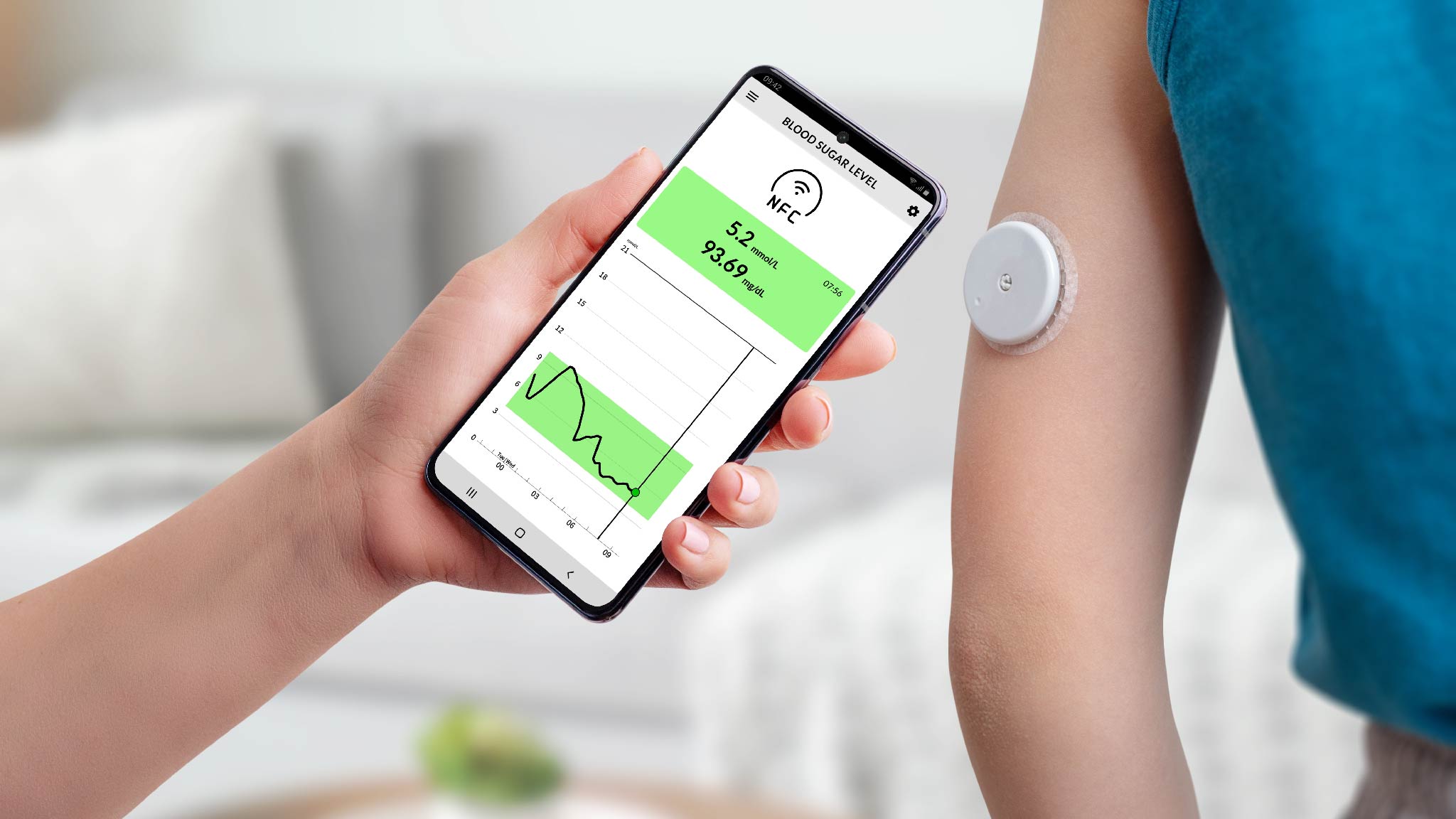
Continuous Glucose Monitoring (CGM) is a revolution in the lives of people with diabetes. Instead of pricking your finger several times a day, you wear a small sensor that automatically measures your glucose level in interstitial fluid every few minutes. This gives you constant insight into what's happening with your glycemia, not just a snapshot at the moment of measurement.
Tip: CGM is not just about numbers, but primarily about knowledge of how your body reacts to food, physical activity, and stress. This gives you the power to make better decisions.
Imagine this situation: you're driving a car and you only see what's in front of you at that moment. A glucometer is like looking at the road only every few kilometers. CGM is like GPS navigation – you see the entire route, turns, hills, and you can react in advance. With CGM, you can avoid hypo- and hyperglycemia, thus improving your well-being and long-term health.
Stop 2: Popular CGM Systems - Market Overview
There are several CGM systems on the market, each with its own advantages and disadvantages. Let's look at the most popular options:
-
FreeStyle Libre: This is one of the most frequently chosen systems, mainly due to its affordable price and no need for calibration. The sensor is worn for 14 days, and readings are taken by scanning the sensor with a phone or reader. Many users on forums praise it for convenience and clear graphs. Some complain about accuracy on the first day of use.
-
Dexcom: Dexcom is known for high accuracy and integration with insulin pumps. Newer models are smaller and easier to apply. Users appreciate it for precise alarms and the ability for remote monitoring by loved ones. The downside may be a higher price.
Tip: Before choosing a system, read reviews on forums and groups for diabetics. See what other users say about accuracy, wearing comfort, and technical support.
Stop 3: Integration with Insulin Pumps - Your Personal Assistant
For people using insulin pumps, integration with CGM is a real game-changer. Thanks to this, the pump can automatically adjust the insulin dose, reacting to current glycemia changes. It's like having a personal assistant who watches over your sugar 24/7.
Tip: Check which CGM sensors are compatible with your insulin pump. Some pumps have dedicated sensors that provide the best integration and precision of operation.
Example: I know someone who, thanks to Dexcom integration with an insulin pump, could finally sleep peacefully at night. Previously, she woke up several times due to hypoglycemia, and now the pump automatically reduces the insulin dose when sugar starts to drop.
Stop 4: Pros and Cons from User Perspective - What Do Forums Say?
Internet forums are a treasure trove of knowledge and experience. Users share their opinions about different CGM systems, pointing out their advantages and disadvantages.
Advantages:
- Better diabetes control: Constant insight into glycemia allows for faster reaction to sugar fluctuations.
- Convenience: No need for frequent finger pricking improves quality of life.
- Safety: Hypo- and hyperglycemia alarms warn of dangerous situations.
- Greater flexibility: CGM allows for a more flexible approach to eating and physical activity.
Disadvantages:
- Price: CGM systems are more expensive than traditional glucometers.
- Inaccuracy: Some sensors may be less accurate, especially on the first day of use or with sudden glycemia changes.
- Skin irritation: Some people may experience skin irritation at the sensor application site.
Tip: Remember that every body is different and what works for one person may not necessarily work for another. Test different options and find the one that best suits your needs.
Stop 5: The Choice Is Yours - Key Criteria and Summary
Choosing a CGM system is an individual decision. Think about what's most important to you: accuracy, convenience, price, integration with insulin pump, or maybe appearance? Talk to your doctor and diabetes educator. Read other users' reviews. Test different options if you have the opportunity.
Key criteria:
- Accuracy: Check what clinical results confirm the system's effectiveness.
- Convenience: Pay attention to the size, weight, and sensor application method.
- Price: Compare costs of different systems and check if they're covered by reimbursement.
- Pump integration: If you use a pump, make sure the CGM system is compatible.
- Additional features: Consider whether you need alarms, remote monitoring, or report generation capabilities.
Tip: Don't be afraid to experiment and look for the perfect solution. CGM is a tool designed to help you better manage diabetes and improve your quality of life.
Take care of your health today! Download the DiabCalc app and control your diet and sugar level in an easy and pleasant way. Visit our website: https://diabcalc.com/
FAQ (Frequently Asked Questions)
Question 1: Is CGM only for people on insulin? No, CGM can also be helpful for people with type 2 diabetes who don't use insulin but want to better control their sugar level and learn how diet and physical activity affect their glycemia.
Question 2: Does the CGM sensor hurt when applying? Most people don't feel pain when applying the sensor. The process is quick and simple, and modern applicators minimize discomfort. You can ask your doctor or educator for instructions.
Question 3: Can I exercise with a CGM sensor on? Yes, most CGM sensors are waterproof and sweat-resistant, so you can exercise and play sports normally. Just make sure the sensor is well attached and doesn't interfere with your exercises.




Comments